
 EN



Compare FangSheng electric, diesel, wheel and backhoe loaders by load capacity, dump height, bucket size and site requirements before choosing a configuration.
FangSheng ·
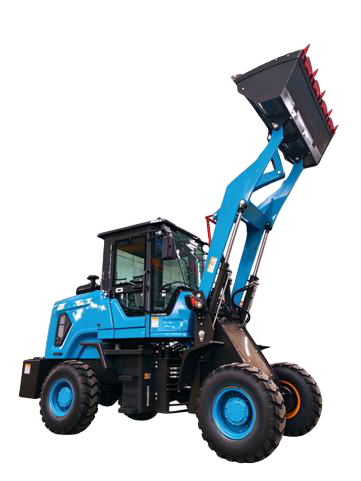
Choosing a loader starts with three measurements: the weight of the material in each bucket, the height of the receiving truck or hopper, and the space available to work. Match those requirements to a specific configuration before comparing engine power or price. A larger bucket or a higher model number does not, on its own, make a machine a better fit.
The FangSheng loader range includes HR-series electric loaders, 904 and 907 compact diesel loaders, AME-series wheel loaders and the 420D backhoe loader. This guide uses their published brochure specifications to explain what to compare and what to confirm before ordering.
Start With the Material, Not Just the Bucket Size
Tell the supplier whether you will handle soil, sand, gravel, feed or another material. Include its condition: moisture and compaction can change the weight of a bucketful. Bucket capacity is a volume measurement, while rated load is a mass measurement. They answer different questions.
The AME 938 reference sheet lists a rated load of 1,500 kg and a bucket capacity of 0.8 m³. The AME 958 lists 2,000 kg and 1 m³. These figures help create a shortlist, but they do not mean every material can be carried with a fully filled bucket. Confirm the bucket, material density and permitted operating load for the quoted configuration.
Also describe the work cycle: the distance between the stockpile and unloading point, the number of loading cycles, and the expected hours of use per day. Those details help identify requirements that a capacity figure alone cannot show.
Check Dump Height Separately From Lifting Height
For truck loading, ask for the dump height and forward reach with the proposed bucket. Measure the receiving vehicle's side height and explain where the loader can stand. Clearance must account for the bucket as it tips, rather than only its highest raised position.
For example, the HR-600 electric loader reference lists a 2,000 mm dump height and a 2,800 mm lifting height. The HR-800 lists 2,400 mm and 3,300 mm respectively. These pairs are different measurements, not interchangeable descriptions of unloading clearance.
A truck side measuring 2,100 mm should therefore not be matched to the HR-600 using its 2,800 mm lifting-height figure. Request a working-range drawing and confirm the unloading arrangement with the selected bucket.
Compare the Published FangSheng Configurations
The table below summarises current model reference sheets. “Confirm” means the referenced specification does not provide a bucket-volume figure. It does not mean the machine has no bucket.
| Model | Listed load | Dump height | Loader bucket volume |
|---|---|---|---|
| 420D Backhoe Loader | 2800 kg | 2800 mm | 1.35 m³ |
| AME 928 Wheel Loader | 800 kg | 2500 mm | 0.5 m³ |
| AME 938 Wheel Loader | 1500 kg | 3200 mm | 0.8 m³ |
| AME 958 Wheel Loader | 2000 kg | 3600 mm | 1 m³ |
| AME 968 Wheel Loader | 2500 kg | 3600 mm | 1.5 m³ |
| AME 998 Wheel Loader | 2700 kg | 3600 mm | 1.5 m³ |
| AME K30 Wheel Loader | 3000 kg | 3600 mm | 1.5 m³ |
| AME K50 Wheel Loader | 5000 kg | 3400 mm | 3 m³ |
| HR-600 Electric Loader | 600 kg | 2000 mm | Confirm |
| HR-800 Electric Loader | 1000 kg | 2400 mm | Confirm |
| 904 Diesel Loader | 400 kg | 1600 mm | Confirm |
| 907 Diesel Loader | 850 kg | 2000 mm | Confirm |
For the 420D, the brochure describes the 2,800 kg figure as loading capacity. Other rows use their listed rated-load figures. These labels do not establish identical test conditions across machines. The 420D bucket volume shown is its front loader bucket; the separate backhoe bucket is listed as 0.3 m³. Open each model page to check its source sheet and full configuration.
Notice that a higher rated load does not necessarily bring a higher dump height. The AME K30 reference lists 3,000 kg and 3,600 mm, while the AME K50 lists 5,000 kg and 3,400 mm. If truck clearance is the limiting requirement, compare the unloading geometry directly rather than selecting by tonnage alone.
Choose Electric or Diesel Around the Work Schedule
The HR-600 and HR-800 provide electric options in the current range. Their reference sheets list 600 kg and 1,000 kg rated loads, with 24 V / 140 Ah and 24 V / 200 Ah batteries respectively. Before choosing either model, ask for the supplied battery type, charger requirements, charging time and expected runtime for your actual loading cycle. Battery capacity alone is not a reliable promise of operating hours.
For diesel options, compare the 904 and 907 against the AME wheel-loader configurations. The 904 reference lists 400 kg rated load and 1,600 mm dump height; the 907 lists 850 kg and 2,000 mm. Confirm engine configuration, fuel arrangements, service access and the requirements of the intended work area. Where a brochure lists alternative engines or power ratings, the quotation should identify the engine actually supplied.
Measure Access and Turning Space
Record the narrowest entrance, overhead restrictions and the space between the stockpile and receiving vehicle. Check both machine dimensions and bucket width. A loader that fits through a gate may still lack the room needed to turn, approach the pile and tip its bucket.
Ask for the turning envelope with the proposed attachment, and describe the ground surface and any gradients. Machine size or tyre appearance alone is not evidence that a configuration is suitable for the route. Confirm the operating limits in the supplied documentation.
Consider a Backhoe Loader When the Job Includes Digging
If the same project requires front-bucket loading and rear excavation, include the 420D backhoe loader in the comparison. Its reference sheet lists a 1.35 m³ front bucket, a 0.3 m³ backhoe bucket and a 4,100 mm digging depth.
Check the space needed to position and stabilise the machine for excavation, as well as the required digging reach and depth. The brochure also lists a 7,100 kg operating weight, which needs to be considered when planning transport. A combined machine should be assessed against both tasks, including how often it must change between them.
Confirm Attachments, Transport and Support
If the job needs pallet forks or another attachment, request confirmation of compatibility and the permitted load for that attachment. Do not apply the bucket's loading figure to a different attachment without the corresponding documentation.
Before placing an order, request the exact machine configuration, transport dimensions and weight, included attachments, maintenance instructions and parts identification. Agree warranty coverage, service arrangements and responsibility for costs in writing. The FangSheng service page provides a starting point for those questions.
What to Include in Your Loader Inquiry
- Material type, condition and estimated weight per load.
- Required bucket volume and any other attachments.
- Truck or hopper side height and available approach space.
- Narrowest entrance, overhead clearance and ground conditions.
- Expected operating hours and travel distance per loading cycle.
- Charging availability or preferred engine configuration.
- Delivery destination and transport constraints.
Use the loader specification comparison to shortlist models, then contact FangSheng with your site measurements and photographs. Request a configuration-specific recommendation rather than relying on a model name alone.
Source: FangSheng loader brochure reference sheets linked from the model pages above, reviewed on 28 October 2026. Figures describe the published reference configurations; confirm the ordered machine's specifications and operating limits in writing.